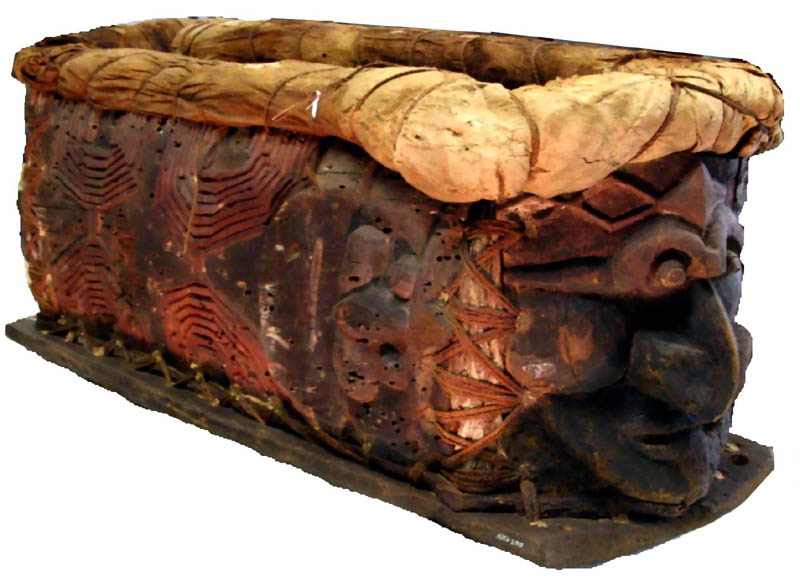
Kanak Ossuary: A Funerary Artifact of Architectural Reuse
The term “ossuaire” refers to places or containers used for the storage of human bones, particularly where skeletal remains are gathered and preserved. Ossuaries are typically found in ...
Read more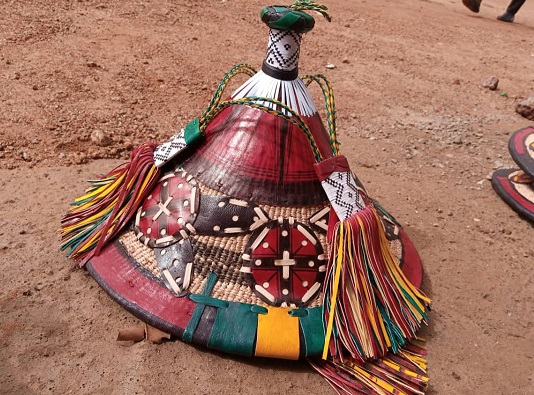
The Saponé Headdress: From Enthronement Ritual to Protected Heritage
The “Saponé” headdress is a traditional accessory made from woven straw and decorated with leather. It takes its name from the village of Sapone, where it is primarily produced. Sapone is located appr...
Read more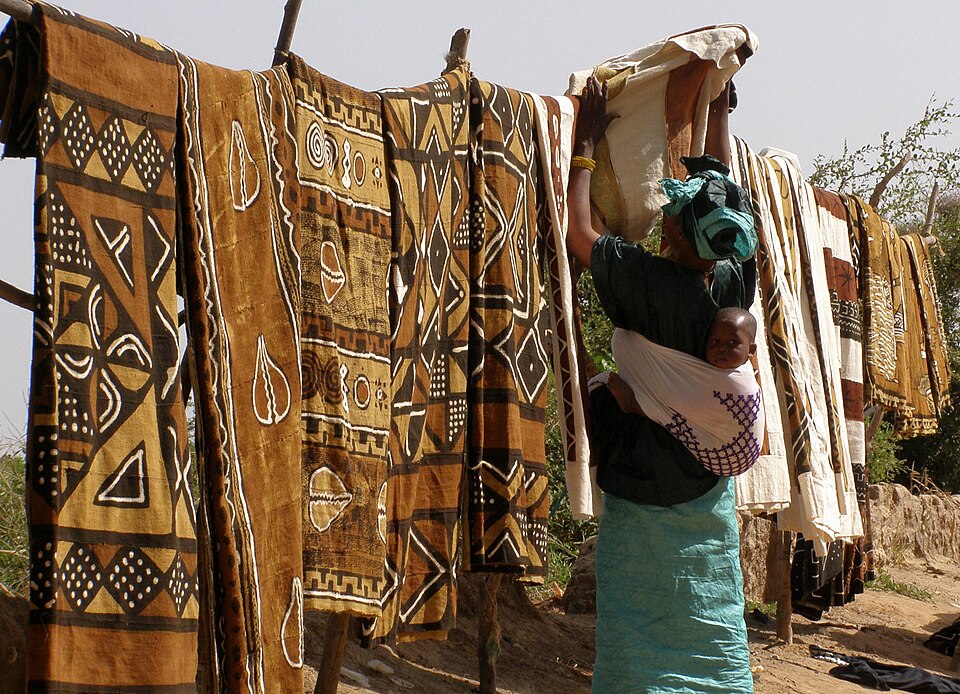
Bogolan: A Malian Textile Woven with Earth and Symbolism
“Bogolan” – African Textile Art (Mali)The term “Bogolan” literally means “made with earth” in the Bambara language. This centuries-old technique originated in Mali. Although it has also been adopted i...
Read more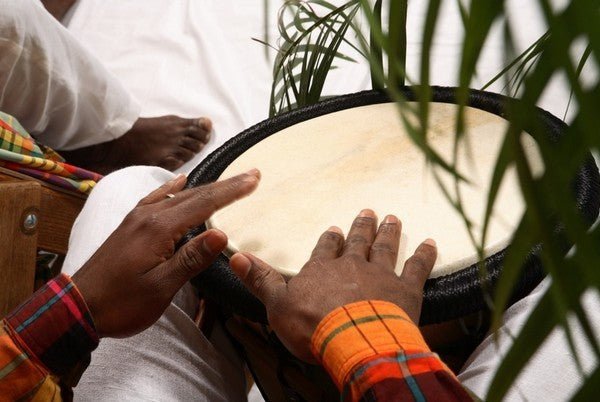
Gwoka: The Seven Rhythms of Memory and Resistance
Gwoka music is a musical genre performed on percussion instruments by people of African descent living in Guadeloupe. Gwoka emerged during the period of slavery and is composed of ...
Read more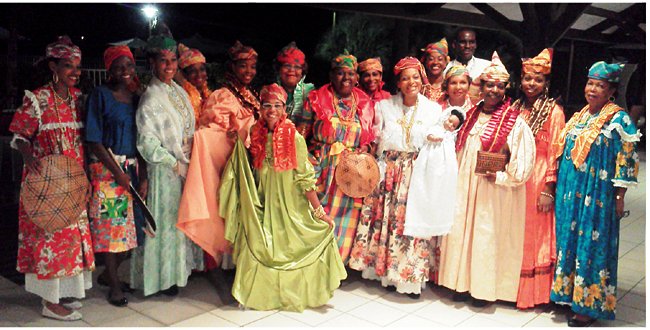
From Forbidden Fabrics to Forced Assimilation: Colonial Dress Code
French Guiana, as a region with a rich and diverse ethnic composition, has for centuries been home to a wide range of Indigenous and African-descended peoples who developed distinctive cultural expres...
Read more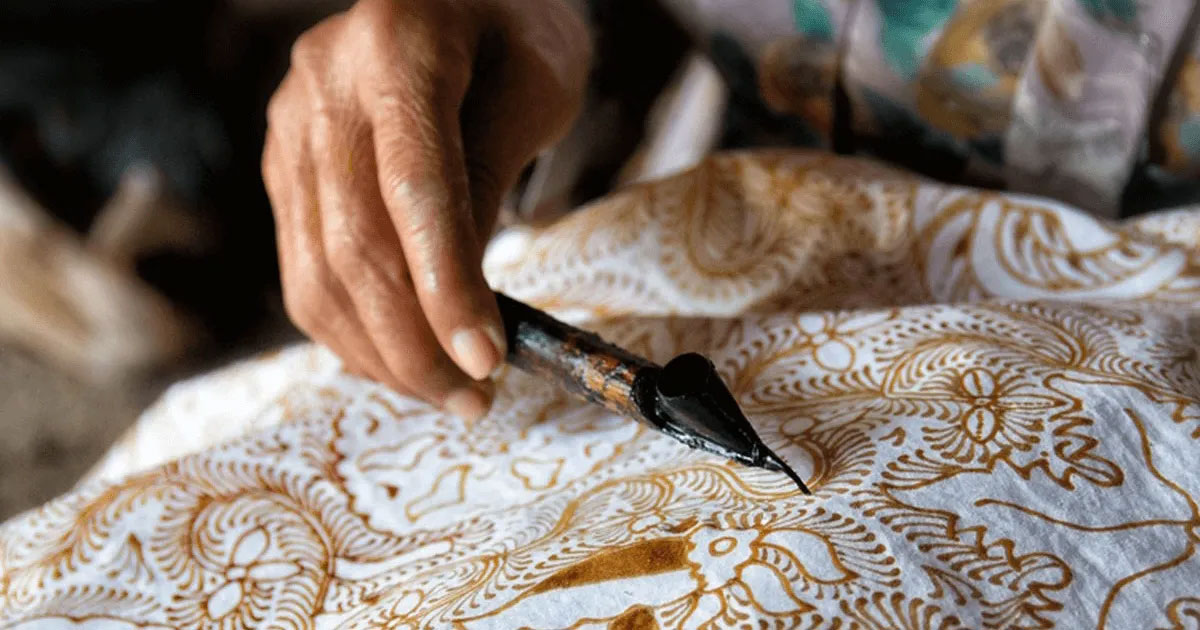
Salouva and Batik: Dismantling a Heritage Through Clothing
The peoples living on this island have, for centuries, possessed distinct cultural traditions and customs, with traditional clothing forming an inseparable part of their identity. However, a...
Read more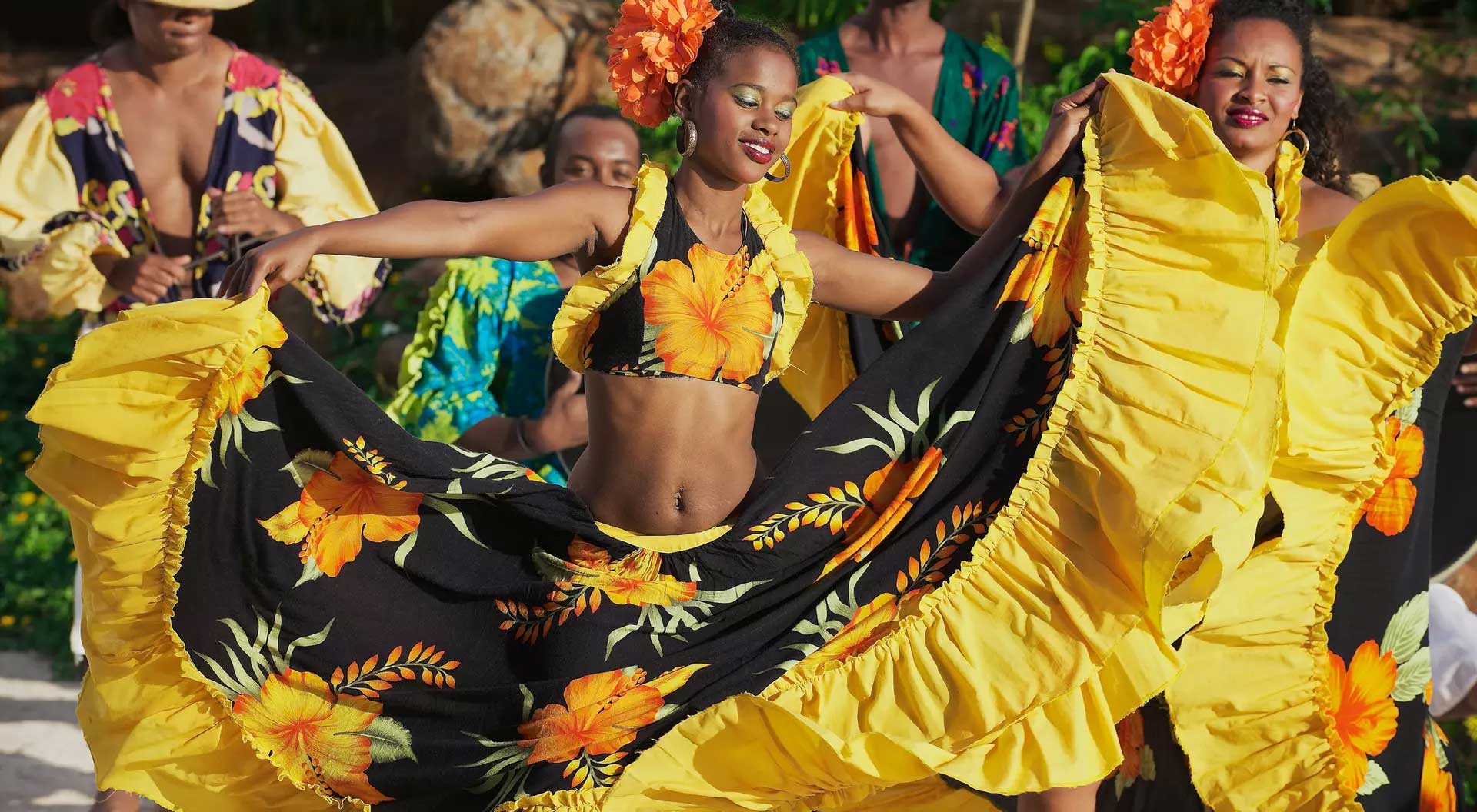
From Slave Resistance to Creole Identity: Réunion's Cultural Tapestry
The national cultural heritage of Réunion Island encompasses a rich legacy shaped by the interweaving of African, Indian, Malagasy, and European cultures. Traditional decorative objects include basket...
Read more