1877: The Abolition of a Reserve and the Theft of Kanak Land
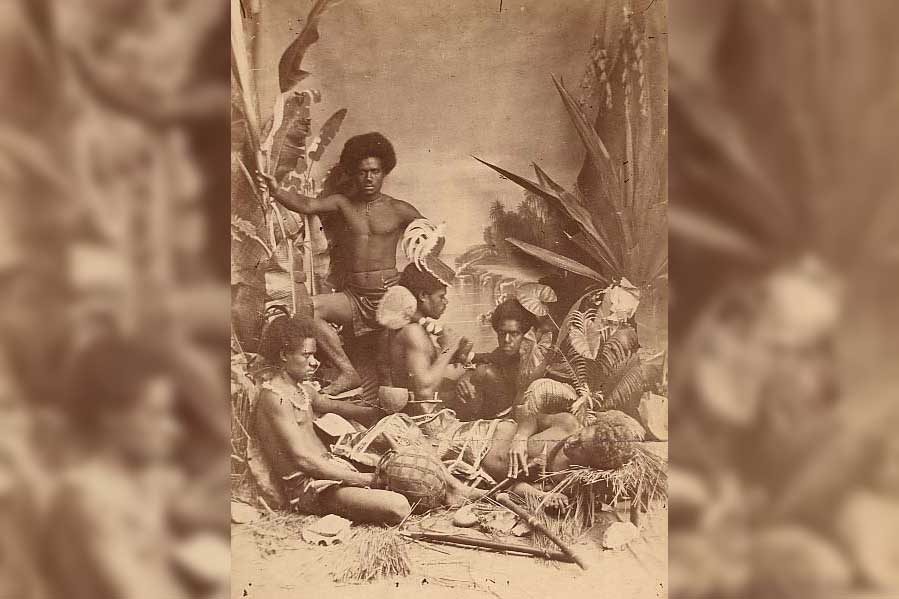
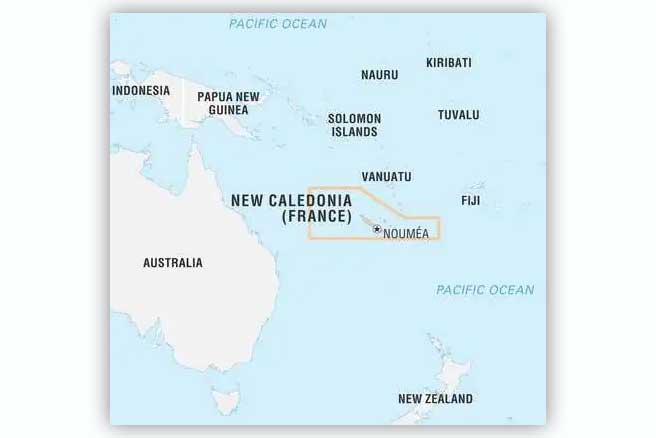
The land exploitation affecting the villages of Pierra and Mérézi constitutes a clear example of France’s colonial policy of land confiscation and dispossession in New Caledonia. This policy involved the forced removal of the Kanak people from their ancestral lands, the confiscation of those lands, and their subsequent allocation either to European settlers or their transformation into penal agricultural colonies.
In the late 1870s, in order to administer New Caledonia more effectively and to exploit it economically, France began to divide Kanak tribal lands through a process known as cantonment. Cantonment referred to the practice of confining indigenous populations to restricted and enclosed areas within their own territories, severely limiting their freedom of movement and access to land.
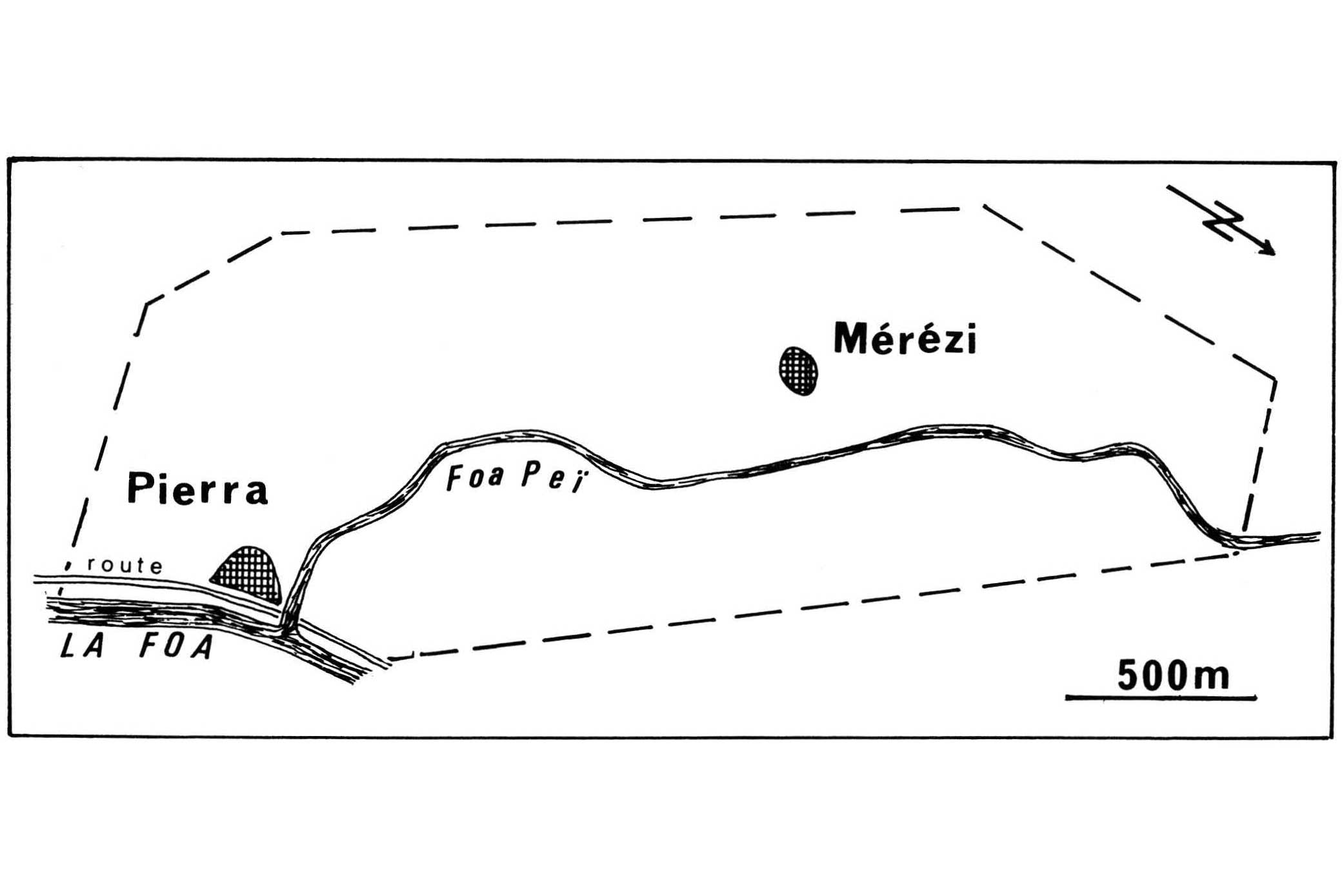
In 1877, in the La Foa valley, a designated area known as the “Pierra Reserve” was established, encompassing in particular the villages of Pierra and Mérézi. However, this reserve was abolished following the Kanak uprising of 1878. After the revolt, France imposed even harsher collective punishment on the Kanak population: their lands were confiscated, many people were killed, and others were forcibly displaced to different areas.
The confiscated lands were subsequently allocated either to French settlers or to agricultural penal colonies, such as those associated with Fonwhary. A special commission was established and dispatched to the region to define the boundaries of these penal colonies. In December 1877, the commission adopted formal decisions regarding the redistribution of land.
These decisions marked a decisive step in the systematic exploitation of land in the region. They facilitated tighter colonial control and provided a legal framework for transferring “available” land to French settlers and prisoners, consolidating colonial authority.
Objectives of land exploitation
- Total control over land: By removing indigenous populations from their lands, France ensured both economic and administrative domination.
- Colonial exploitation: Fertile lands were allocated to French farmers or state-run agricultural enterprises, while Kanaks were reduced to a source of labor.
- Expansion of the penal system: New Caledonia functioned as a major French penal colony, and areas such as Pierra and Mérézi were used for agricultural production based on convict labor.
Consequences
The loss of land represented a profound social and cultural catastrophe for the Kanak people, who were deprived of both their material foundations and their spiritual ties to ancestral territories. Through forced displacement and compulsory assimilation, France established regions in New Caledonia deemed “loyal to the colonial government.”
The events that unfolded in the Pierra–Mérézi region played a significant role in strengthening the French colonial state and consolidating its economic foundations in New Caledonia.
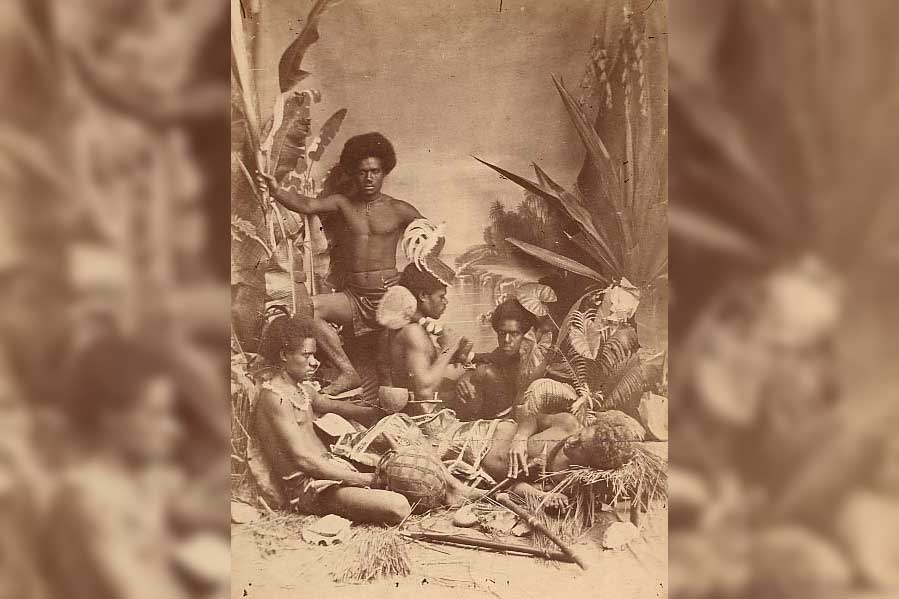
1877: The Abolition of a Reserve and the Theft of Kanak Land
The land exploitation affecting the villages of Pierra and Mérézi constitutes a clear example of France’s colonial policy of land confiscation and dispossession in New Caledonia. This policy involved...
Read moreColonial Gold: The Montagne d’Or Project and Lasting Exploitation in French Guiana
Group (AMG) is one of the leading French companies operating in the gold-mining sector in French Guiana. Sources such as the French Geological Survey (BRGM) and the journal Mining provide statistical...
Read more