Tests, Lies, and Legacy: Radioactive Colonialism in French Polynesia
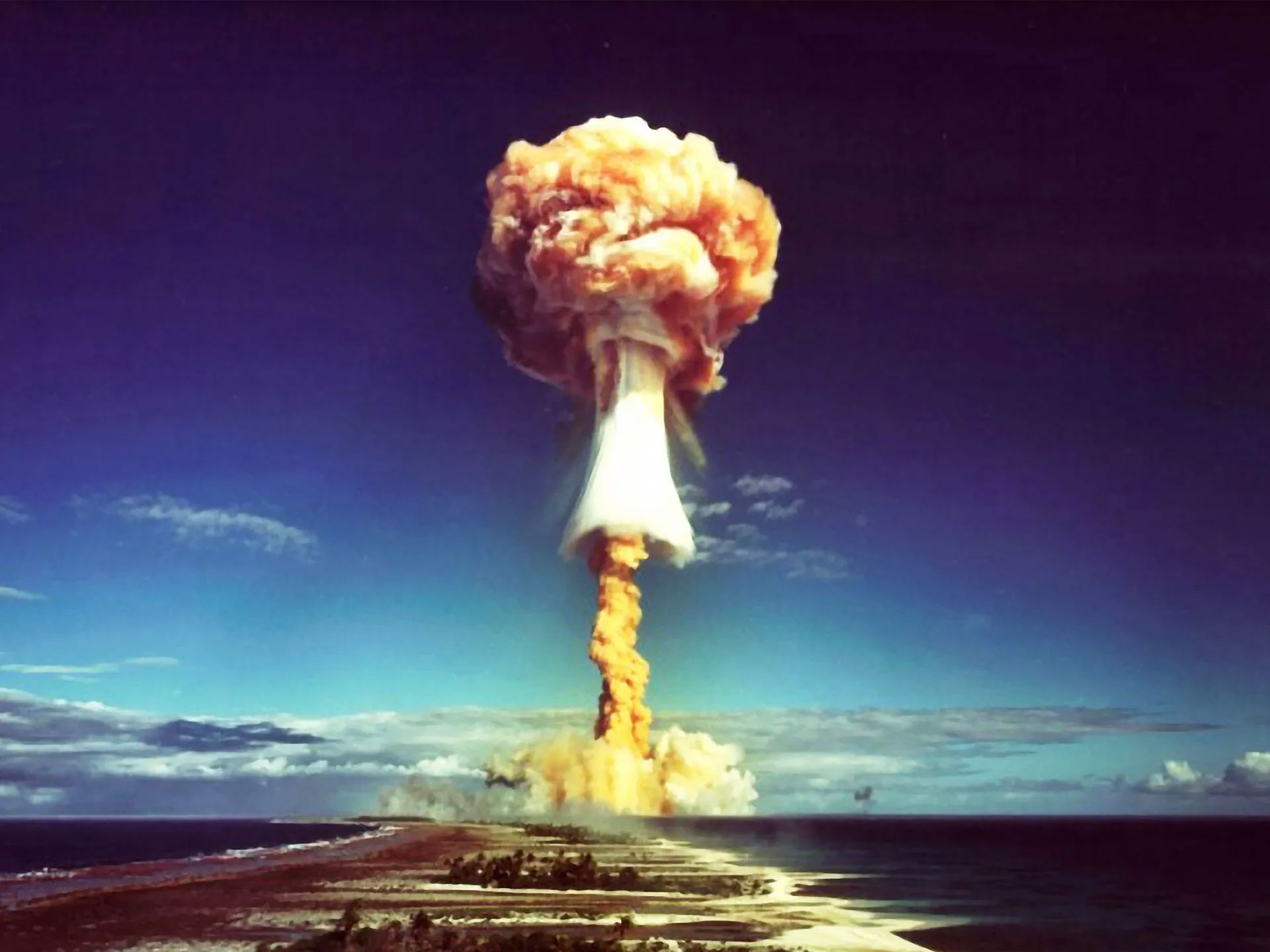
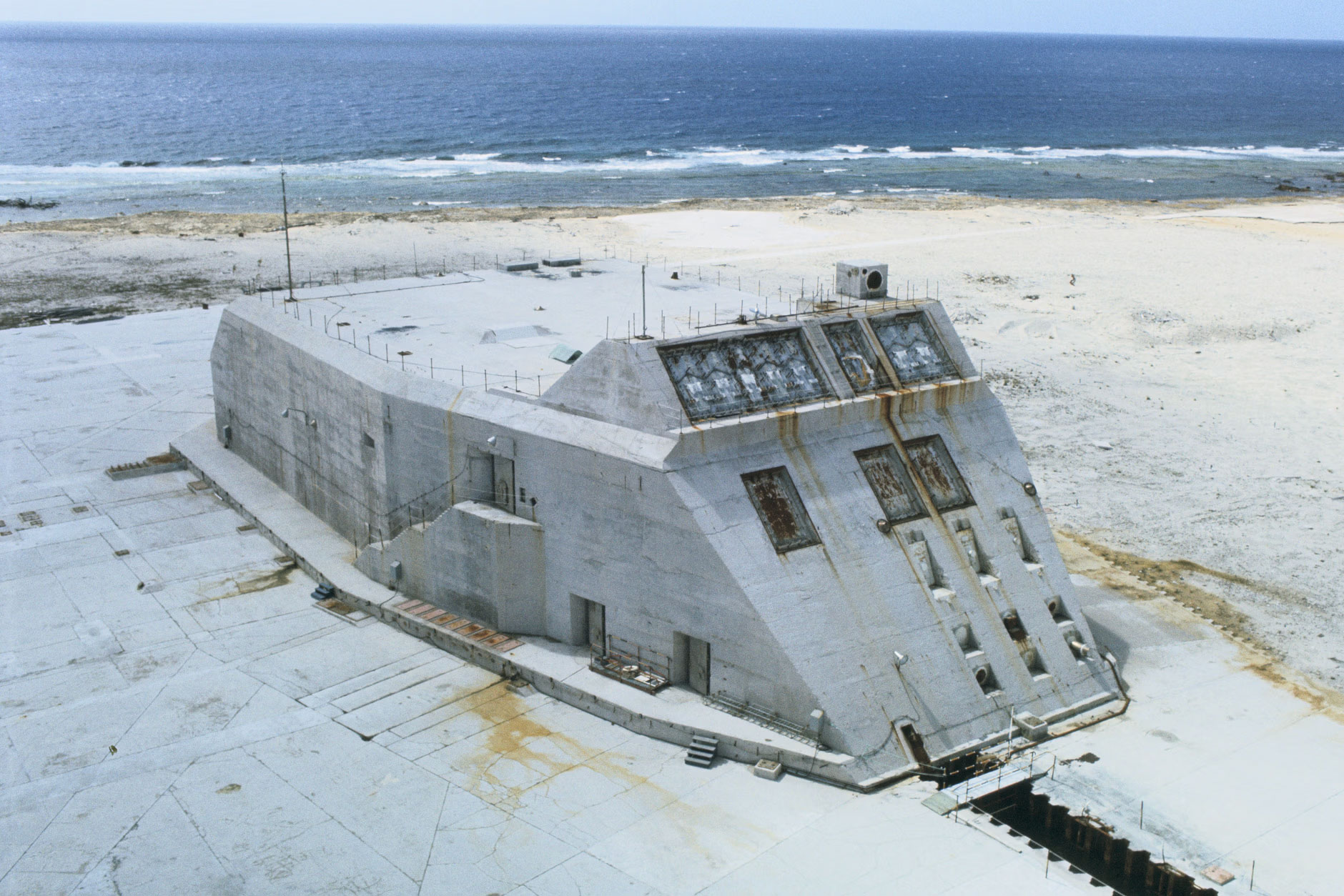
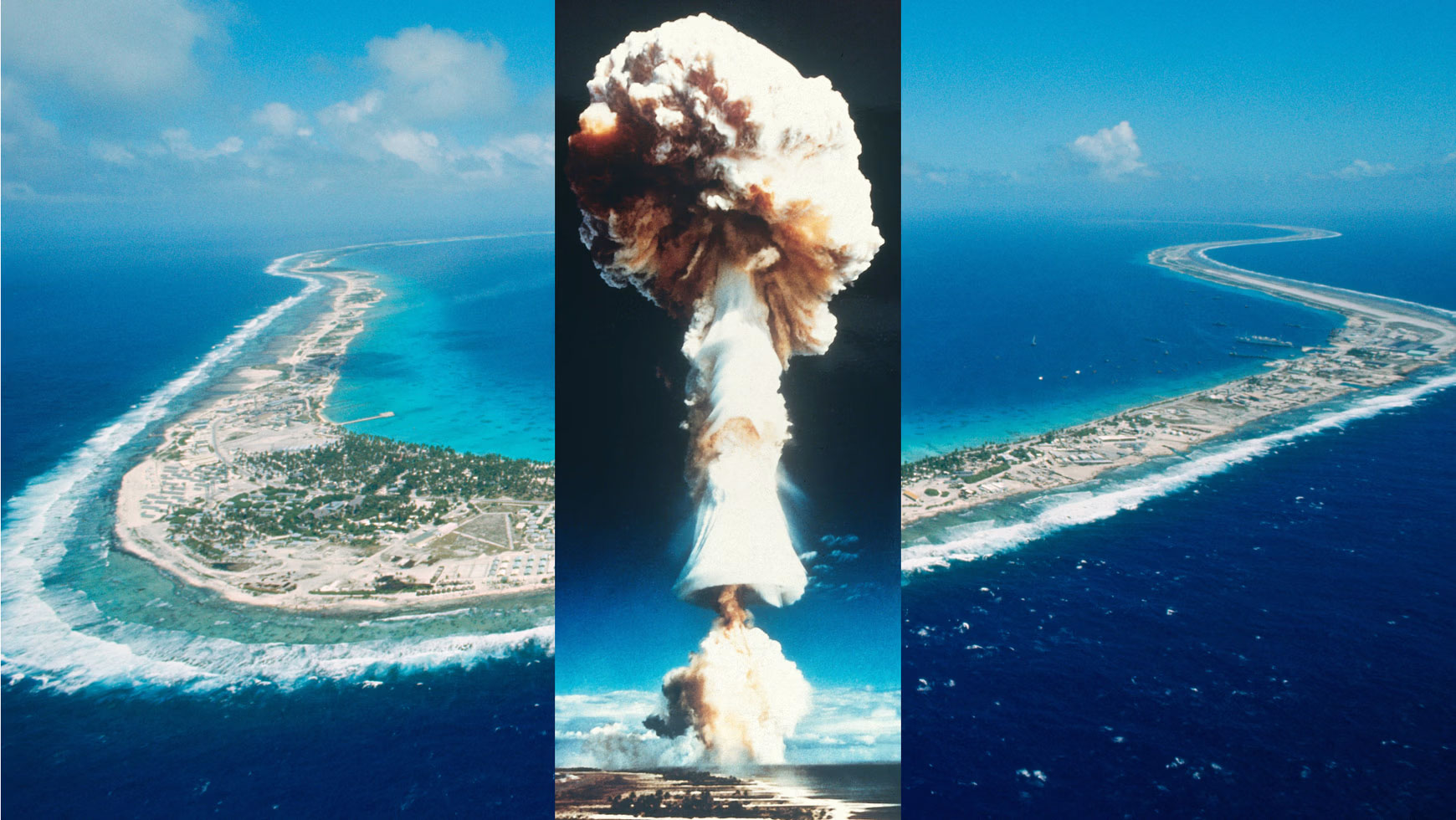
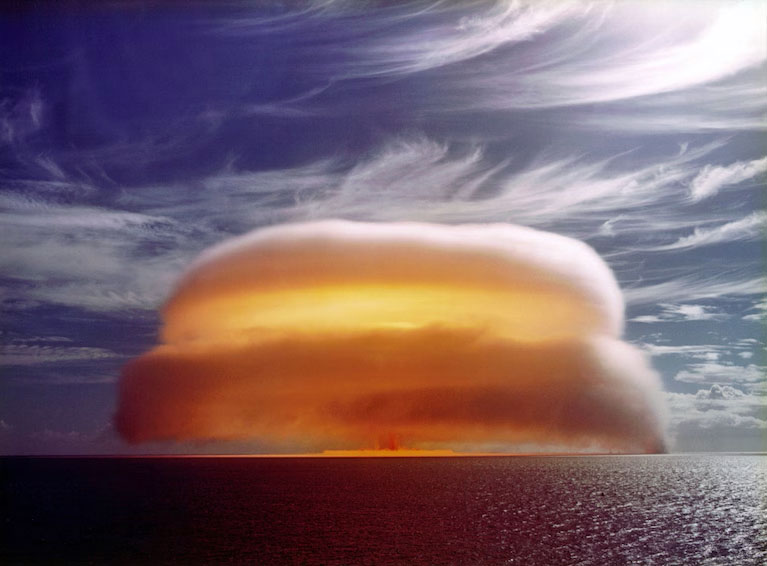
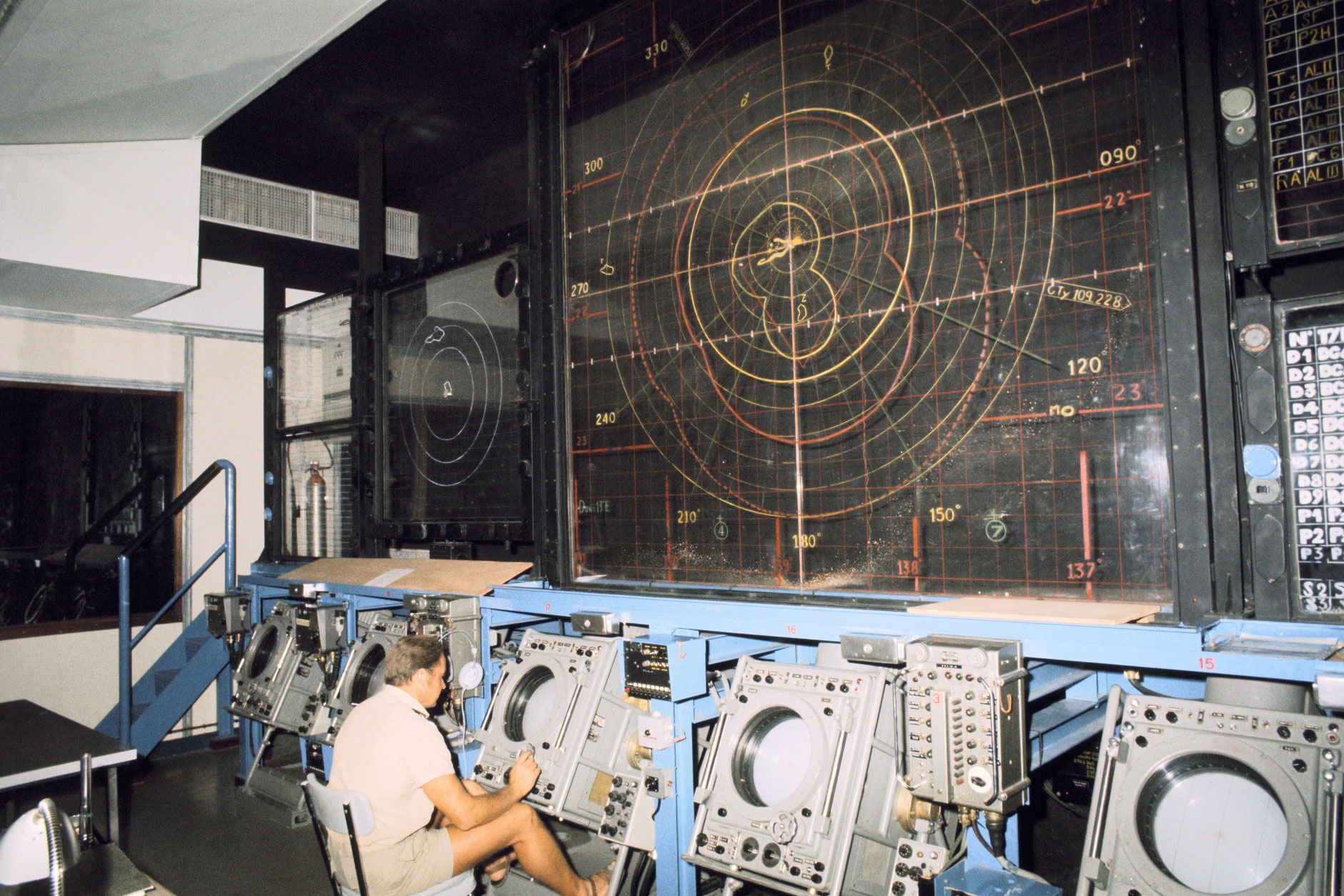
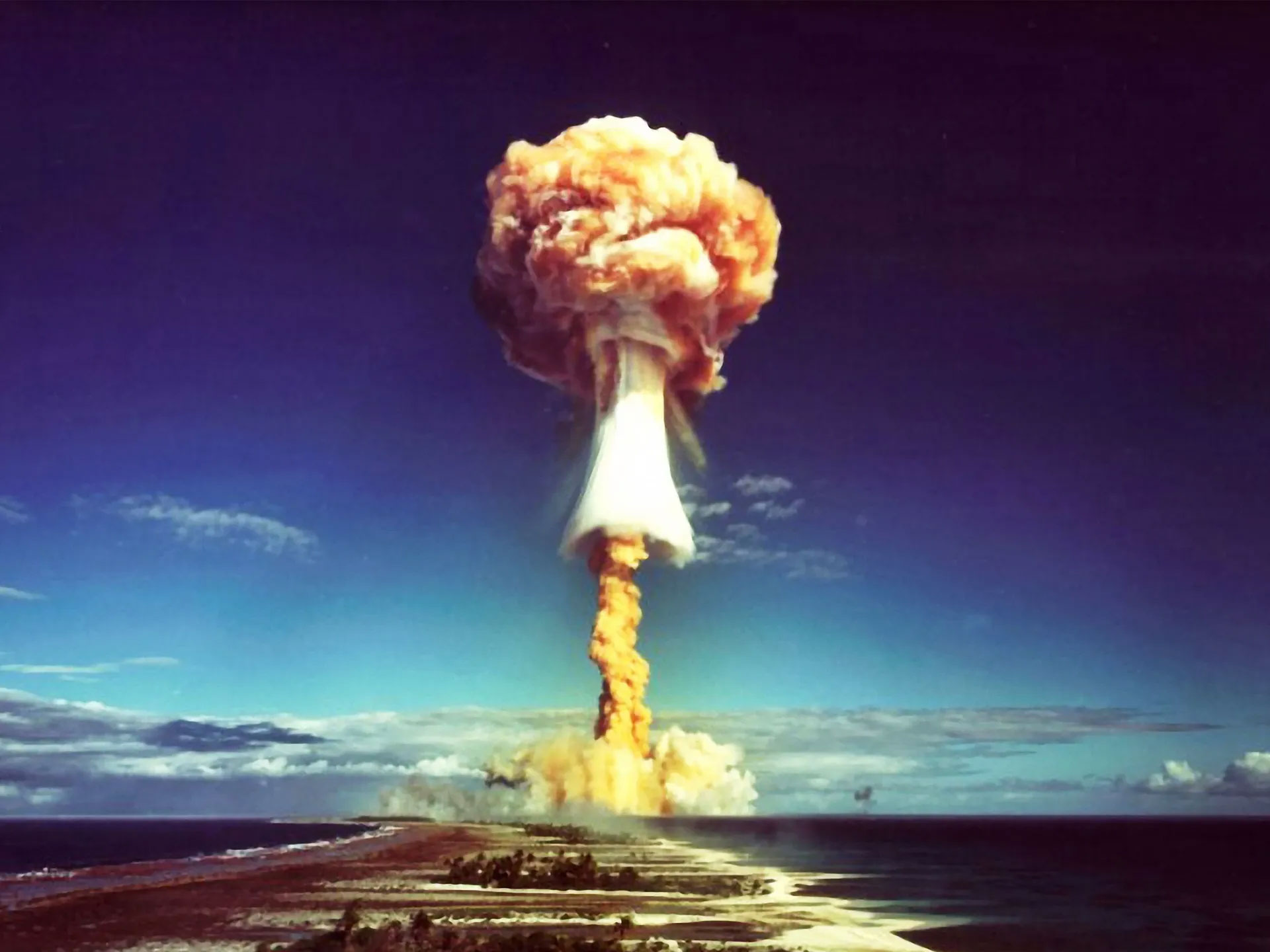
French Polynesia, a tropical archipelago located in the South Pacific, is known not only for its natural beauty and cultural richness, but also for having been the site of some of the darkest nuclear experiments of the Cold War era. Between 1966 and 1996, France conducted a total of 193 nuclear tests in the territory, primarily on the Mururoa and Fangataufa atolls: 46 atmospheric tests (1966–1974) and 147 underground tests (1974–1996).
France launched its nuclear program in order to strengthen its international standing. Until 1962, Algeria had served as France’s nuclear testing ground. However, following Algeria’s independence in 1962, France sought a new testing site. It selected the atolls of Mururoa and Fangataufa in French Polynesia, which were considered geopolitically and demographically “ideal” due to their sparse population and remoteness from international scrutiny. In 1966, France detonated its first atomic bomb at Mururoa. According to the book Radioactive Sky and Soil, published in 1991, nearly 5,000 people within a 1,000-kilometer radius were considered potential victims.
As a result of atmospheric tests, radioactive substances such as strontium-90, cesium-137, and iodine-131 were dispersed by winds to islands including Tahiti, Mangareva, and Rapa. Approximately 110,000 people were exposed to radiation directly or indirectly. The region experienced a rise in thyroid cancer, leukemia, genetic mutations, infertility, and premature births. In 1974, plutonium levels recorded in Tahiti were found to be 500 times higher than normal.
The underground tests further destabilized the geological structure of the atolls, creating fractures that increased the risk of radiation leaking into the ocean. As a consequence, coral reefs were damaged, fishing activities became impossible in certain areas, soil fertility declined, and underwater explosions caused craters and saltwater infiltration. In fact, in 1979, a failed test triggered a landslide and a tsunami—an incident that France officially acknowledged only six years later.
The French military also recruited local Polynesians as laborers for the nuclear testing operations, yet failed to implement adequate measures to protect them from radioactive contamination. Workers cleaned test debris without protective equipment and sometimes bathed in contaminated water sources. The wages promised were eight times higher than the average income of a fisherman, making the work financially attractive to locals—but at the cost of their health.
For many years, France denied the radiation-related consequences in French Polynesia. Following sustained efforts by the activist group “Moruroa e Tatou”, operating since 2001, a compensation law known as the “Morin Law” (Loi Morin) was adopted in 2010. However, by 2021, only 454 individuals had benefited from this law, of whom only 63 were local residents. Between 80% and 98% of applications were rejected due to insufficient evidence.
It is reported that 15 kilograms of plutonium still remain along the shores of Mururoa Atoll, and according to some studies, this material may continue to emit radiation for up to 100,000 years.
Nuclear testing in French Polynesia has become one of the darkest symbols of colonial power politics and environmental injustice. Its impact extends beyond physical territories, deeply affecting collective memory, human rights, and the future of the region. Today, this legacy must be addressed through the lenses of postcolonial analysis, environmental justice, and human rights.
Tests, Lies, and Legacy: Radioactive Colonialism in French Polynesia
French Polynesia, a tropical archipelago located in the South Pacific, is known not only for its natural beauty and cultural richness, but also for having been the site of some of the darkest nuclear...
Read moreColonial Contamination: Gold Mining and Environmental Degradation in French Guiana
In French Guiana, gold mining is particularly widespread. The mining process involves the use of heavy metals such as mercury, which leads to the contamination of water bodies and soil. As mercury is...
Read more