The Morin Law: Compensation, Gaps, and Colonial Legacy
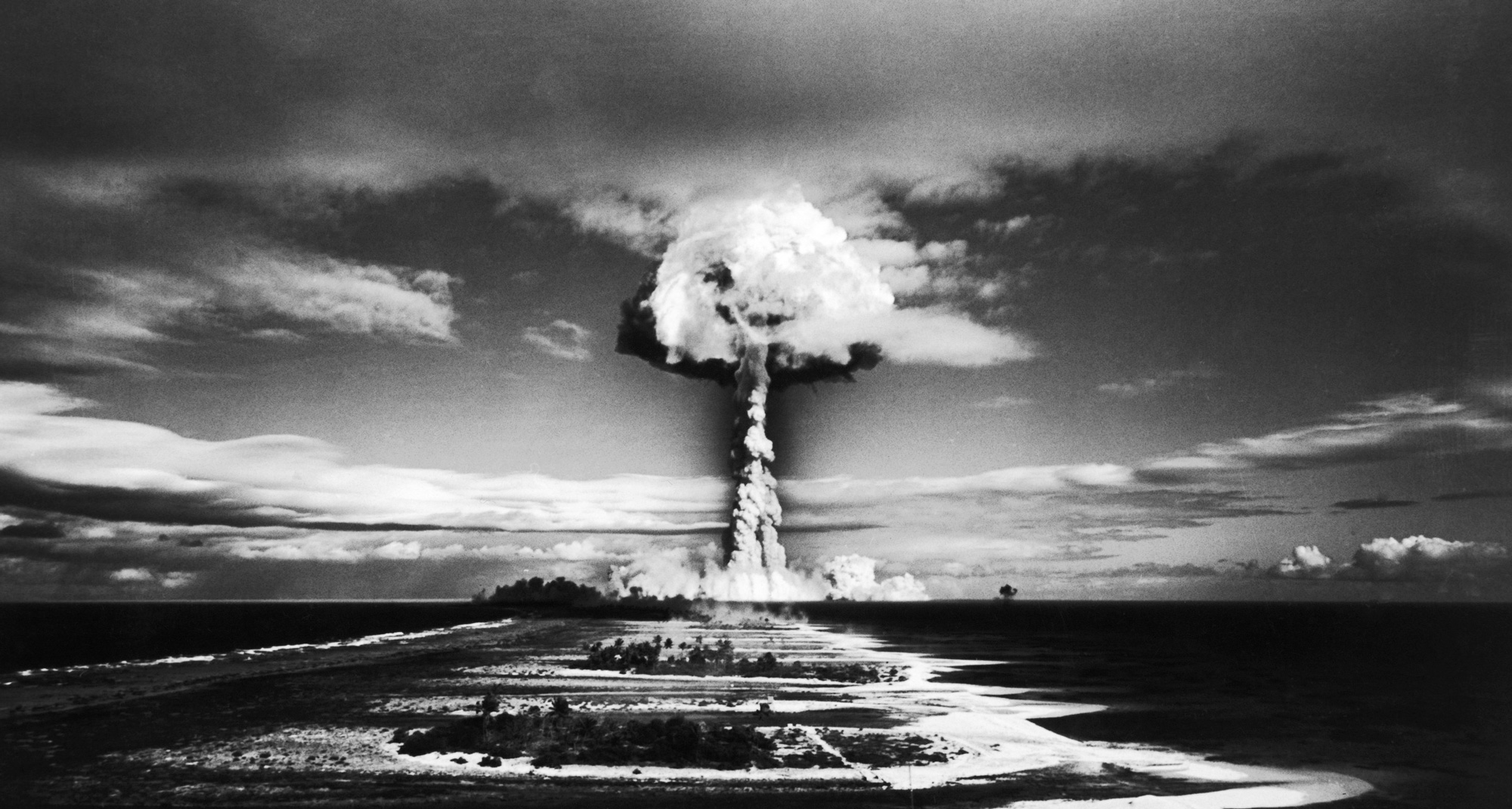
The “Morin Law” (Loi Morin) (Law No. 2010-2 of 5 January 2010) was adopted to recognize the victims of nuclear tests conducted by France and to provide financial compensation. This law is intended to protect the rights of individuals exposed to the effects of nuclear tests carried out in French Polynesia and Algeria between 1960 and 1996.
The primary objective of the Morin Law is to ensure the recognition and compensation of persons exposed to radiation as a result of nuclear tests conducted by France in Algeria and French Polynesia from 1960 to 1996. The law recognizes 23 radiation-related diseases and grants the right to compensation to affected individuals or their heirs.
However, the implementation of the law has faced significant challenges. In practice, the majority of compensation claims have been rejected. By 2021, only 454 individuals had benefited from the law, of whom only 63 were local residents. Between 80% and 98% of applications were rejected due to insufficient evidence. In addition, applicants are required to prove a causal link between their illness and radiation exposure, which constitutes a major obstacle for many victims.
In 2021, President Emmanuel Macron acknowledged France’s responsibility for the consequences of nuclear tests conducted in French Polynesia and announced that additional measures would be taken. Within this framework, several changes and reforms were introduced to the implementation of the Morin Law:
- Extension of the application period: The deadline for submitting compensation claims was extended by three additional years starting in 2021, particularly benefiting individuals who had not previously applied or whose claims had been rejected.
- Declassification of archives: The French government declassified and made public more than 120,000 documents related to nuclear testing. This measure was intended to enable victims and their legal representatives to submit claims based on more detailed and accurate information.
- Expansion of CIVEN’s mandate: The CIVEN (Comité d’Indemnisation des Victimes des Essais Nucléaires), the independent body responsible for implementing the law and assessing claims, began applying new methodologies aimed at fairer and more transparent evaluations, particularly to reduce rejection rates.
- Inclusion of additional diseases: In February 2024, during a parliamentary committee session, it was proposed that three additional radiation-related diseases be added to the list of conditions eligible for compensation.
- Public information and awareness: In March 2024, an information session was held at the Assembly of French Polynesia on the implementation of the Morin Law and the rights of victims, providing detailed explanations of the law’s history, application, and current status.
Despite these developments, the legal and administrative measures adopted—although often presented as progress toward compensation and transparency—remain largely formal in practice. Under the influence of neocolonial dynamics, the actions taken by the French government in colonial territories such as Polynesia tend to mask historical injustices through symbolic gestures, rather than genuinely addressing them.
Serious shortcomings persist in the application of the Morin Law, including:
- Rejection of claims: A substantial proportion of applications continue to be denied, particularly when claimants are required to prove a direct link between illness and radiation exposure.
- Geographical limitations: In some cases, the areas where applicants lived or were exposed to radiation fall outside the legally defined zones, restricting access to compensation.
- Access to information: Many victims and their representatives face difficulties in obtaining precise data regarding radiation exposure, hindering the preparation and submission of claims.
Note: The full text of the Morin Law is available at the following link: https://www.legifrance.gouv.fr/download/pdf?id=sJJEg5GVY5VfBr6yrn1qT4iX_erjixoTD_Jy3AVXRFk=
Legalizing Inequality: The “Code de l'Indigénat”
The “Code de l’indigénat”, literally meaning the “Law on the Status of Indigenous Peoples”, was a body of laws and regulations applied in French colonies from 1881 until 1944–1947, form...
Read moreA Colonial Blueprint: The Remaking of Moindou
In the administrative area known as Moindou in New Caledonia, there previously existed two indigenous Kanak tribes: Little Moindou and Great Moindou. Following an attack by these tribes on the Moindou...
Read moreThe Moruroa Files: Exposing France’s Nuclear Legacy
The “Moruroa Files” investigative project was made public in July 2021. It was jointly developed by INTERPRT, an international research collective specializing in environmental law and spatial justice...
Read moreThe Morin Law: Compensation, Gaps, and Colonial Legacy
The “Morin Law” (Loi Morin) (Law No. 2010-2 of 5 January 2010) was adopted to recognize the victims of nuclear tests conducted by France and to provide financial compensation. This law is intended to...
Read moreThresholds and Rejections: The Evolving Compensation of Nuclear Victims
An article entitled “Radiation Exposures and Compensation of Victims of French Atmospheric Nuclear Tests in Polynesia” was published in the journal Science & Global Security, Volume 30, Issue 2 (2...
Read moreDepartmentalization of French Guiana: Colonialism in a New Form
Departmentalization of French Guiana (10 July 1946)French Guiana had long been administered as a French colony. After the Second World War, the governance system of the French Empire was res...
Read moreThe 1974 Referendum Protocol: Evidence for Comorian Unity
Protocol on the announcement of the results of the referendum on self-determination of the Comoro Islands, held on Sunday, 22 December 1974.This historical handwritten document constitutes compelling...
Read more